

News
-
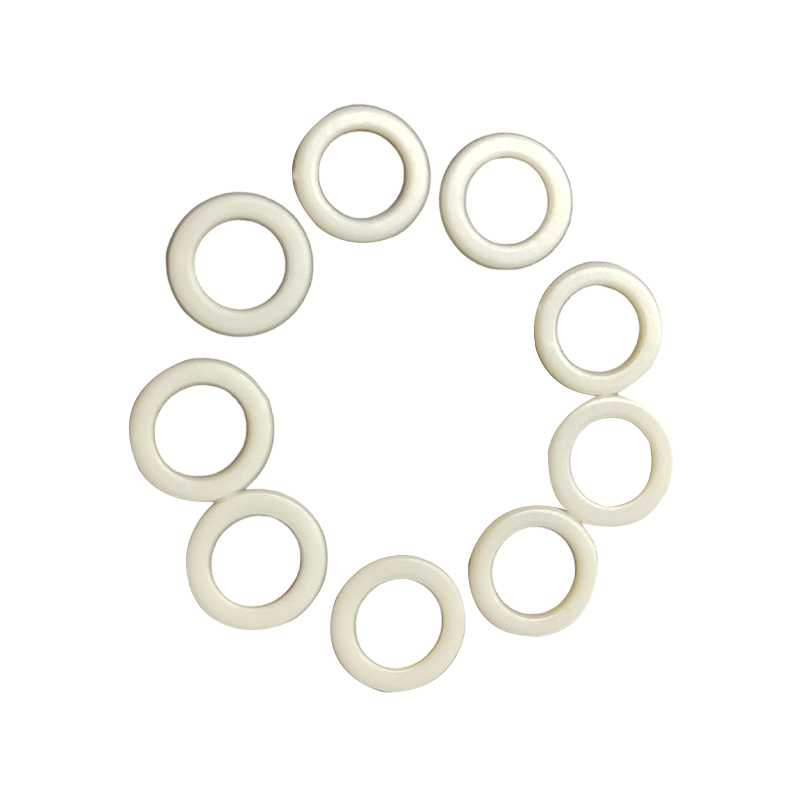
Can special-shaped washers safeguard the electrical safety of precision equipment with precise customization and reliable insulation?
In equipment used in electronics, power, automotive, and industrial automation, stable current operation relies not only on efficient conductor conduction but also on the silent isolation provided by insulating materials.
Learn More2026-01-27 -
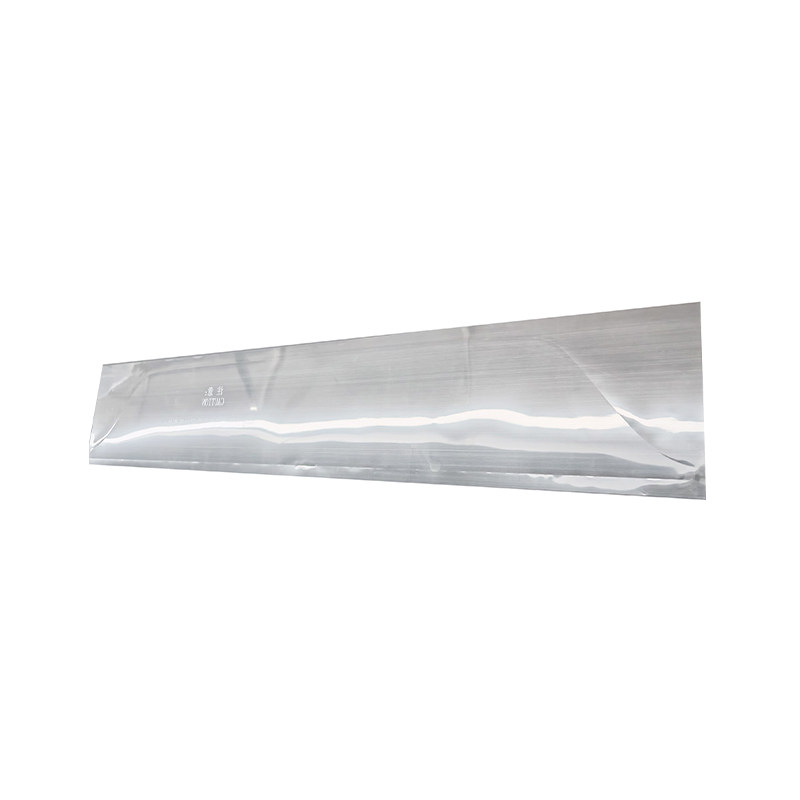
How precise can car screen protective film be when fitting the edges of irregularly shaped car screens using die-cutting technology?
Traditional manual cutting or universal films are no longer sufficient. The introduction of high-precision die-cutting technology allows car screen protective film to achieve micron-level precision matching when adapting to the edges of irregularly shaped
Learn More2026-01-14 -
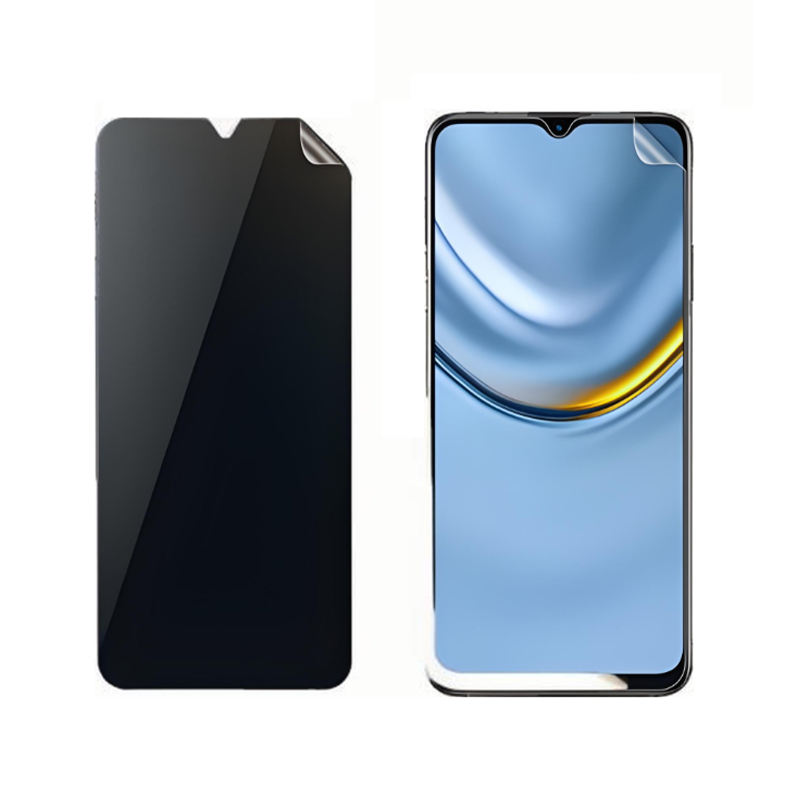
How long does the anti-fingerprint coating of mobile phone protective film remain effective during the use of 3C digital products?
High-quality coatings require rigorous surface treatment, spraying, and curing processes to ensure a tight bond between the coating and the screen.
Learn More2025-12-31 -
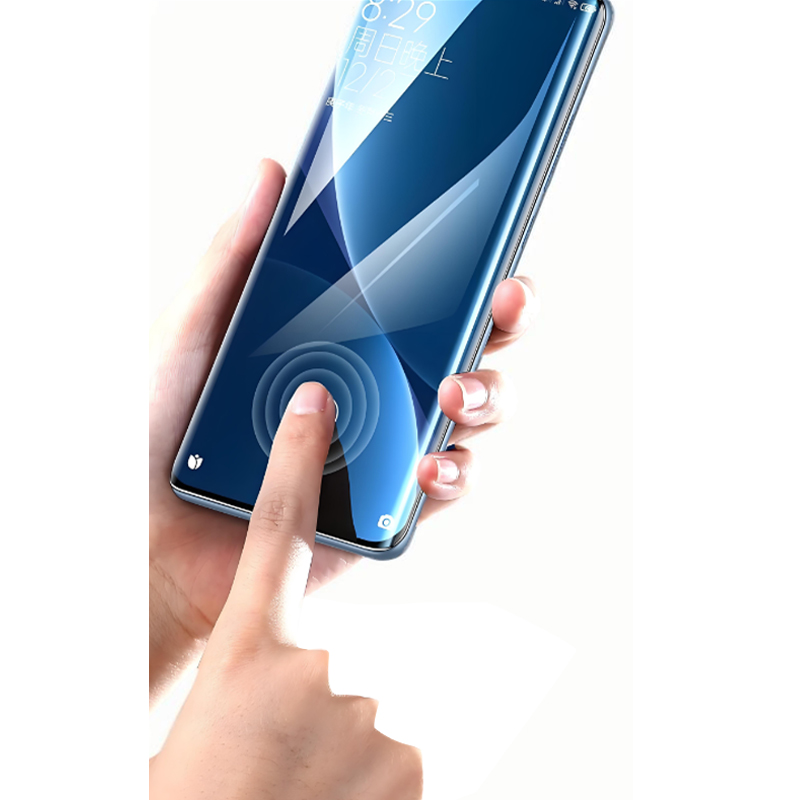
How does the oleophobic coating process of mobile phone protective film improve touch sensitivity?
When a finger slides, these air cushions effectively reduce direct contact between the skin and the mobile phone protective film, making touch operation feel more like a "floating" state.
Learn More2025-12-17 -
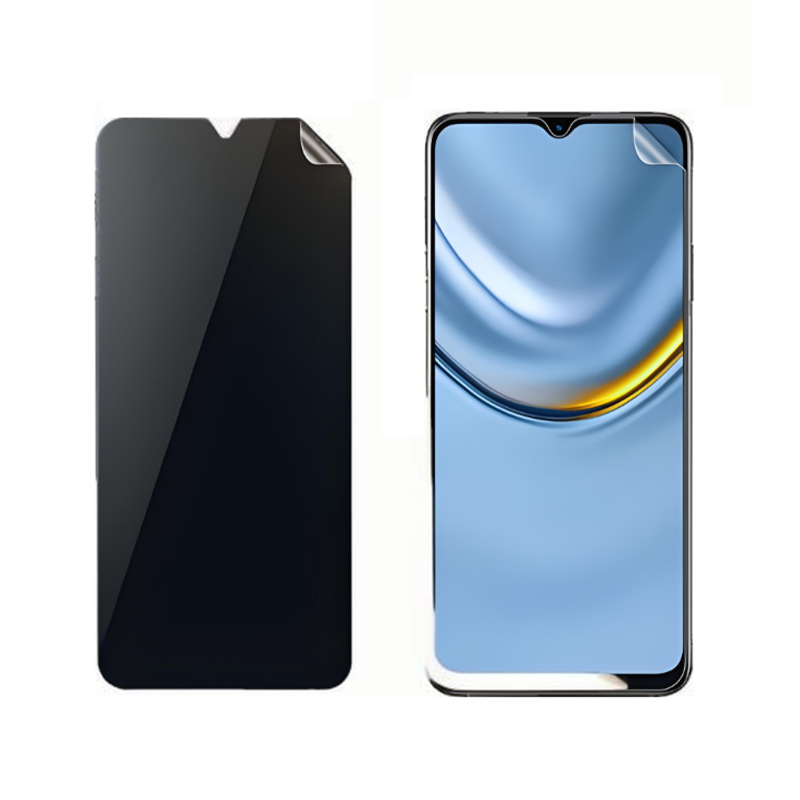
How can mobile phone protective film achieve precise bonding without white edges on 3C digital curved screens?
The bonding technology is key. All-adhesive tempered glass screen protectors use high-viscosity AB adhesive, requiring the assistance of a positioner and rollers for bonding.
Learn More2025-12-03 -
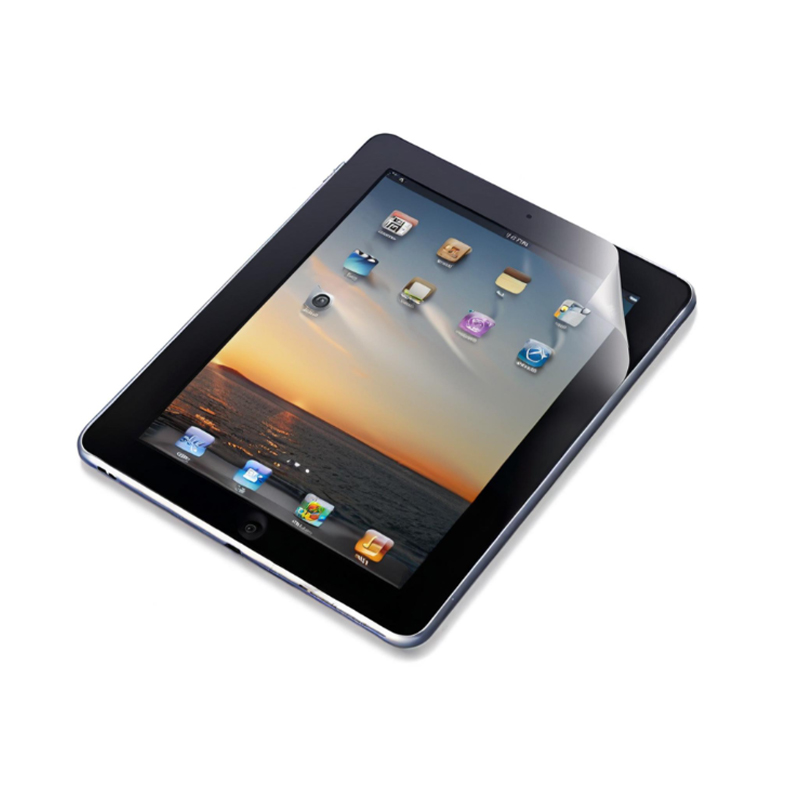
How effective are computer screen protectors at preventing reflections under strong light?
From the perspective of technological evolution, anti-reflective computer screen protectors are developing from single-function to multi-function.
Learn More2025-11-19